
In a remarkable advancement,researchers have achieved what once seemed impossible—helping a paralyzed man walk again using an AI-powered brain chip. In a world where technology continues to push the boundaries of what is possible, one recent breakthrough stands out as truly life-changing.
Page Contents:
For decades, spinal cord injuries and severe mobility impairments were considered largely irreversible. Patients were often limited to rehabilitation therapies that focused on adaptation rather than recovery. However, the integration of artificial intelligence with neural interface technology is now redefining those limitations.
What Is an AI-Powered Brain Chip?
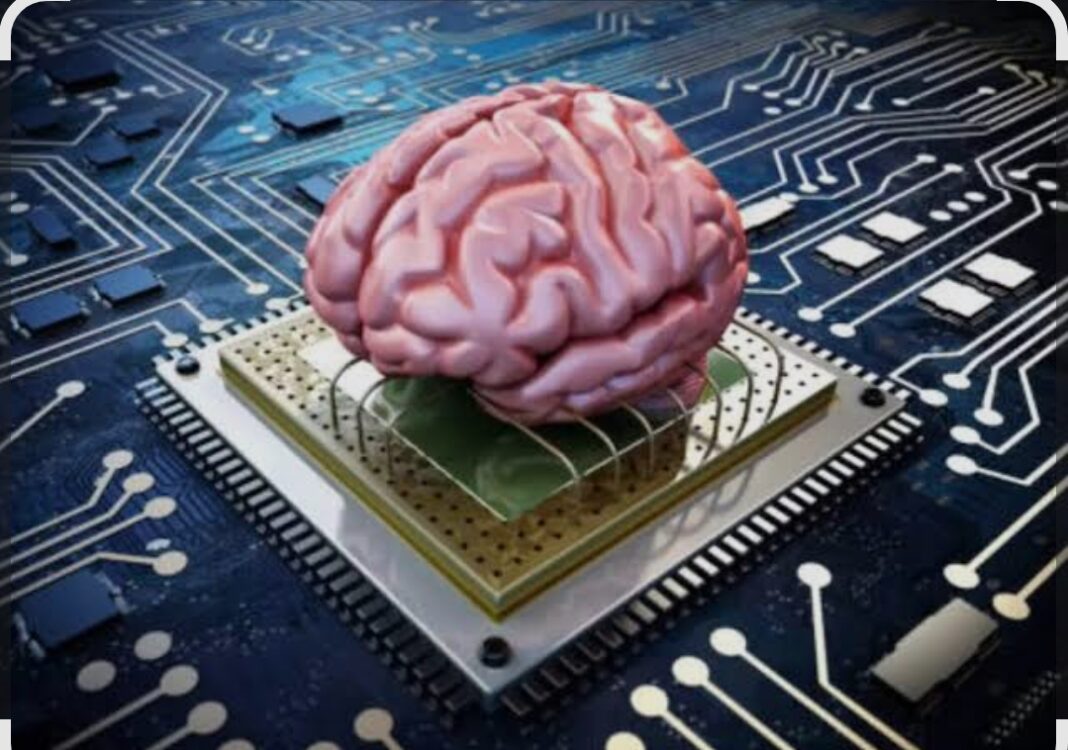
The addition of artificial intelligence makes this technology even more powerful. AI algorithms can process and interpret complex brain signals in real time, allowing for precise control of movement. These chips are typically implanted in regions of the brain responsible for motor function, where they can capture neural activity related to movement intentions.
Once the signals are captured, they are analyzed and translated into commands that can stimulate muscles or control external devices. In essence, the AI-powered brain chip acts as a digital bridge, reconnecting the brain to parts of the body that have lost communication due to injury.
Understanding Paralysis and Spinal Cord Injuries
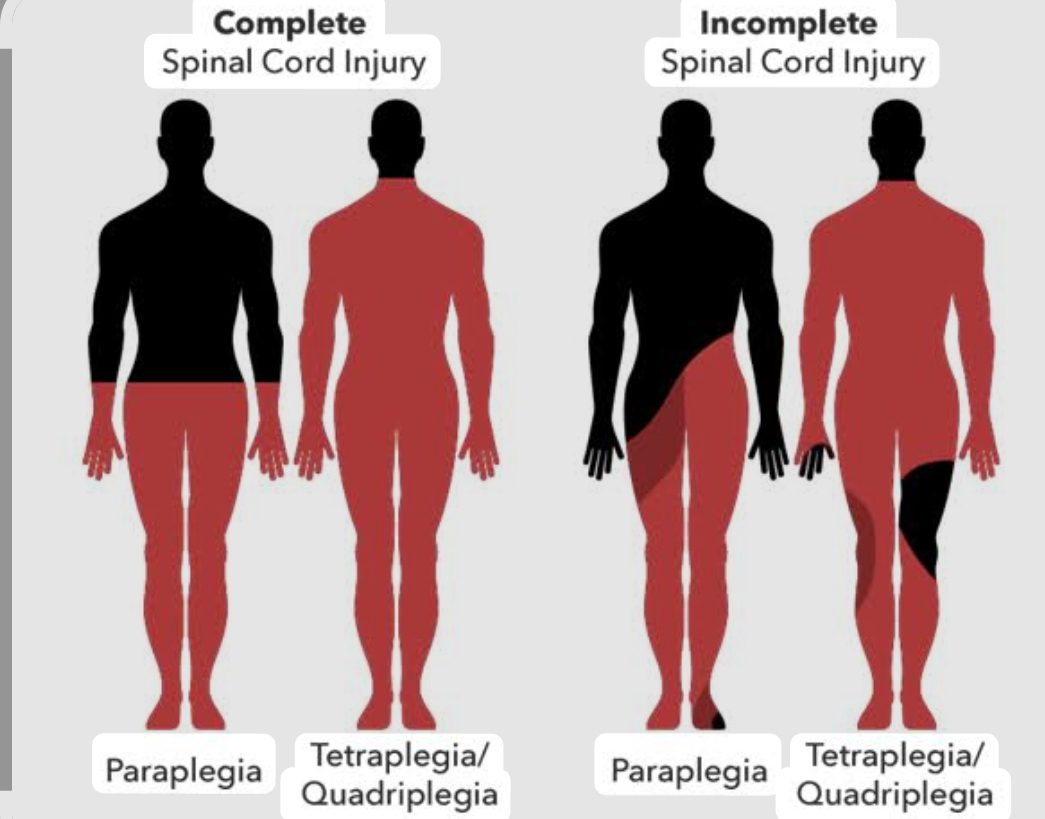
The spinal cord is a critical component of the nervous system, responsible for transmitting signals between the brain and the rest of the body.
When the spinal cord is damaged whether due to injury, disease, or trauma this communication pathway is disrupted. The brain may still generate signals for movement, but those signals cannot reach the muscles. As a result, voluntary movement becomes impossible.
How the Technology Works
1. Capturing Brain Signals

2. Decoding Signals with Artificial Intelligence
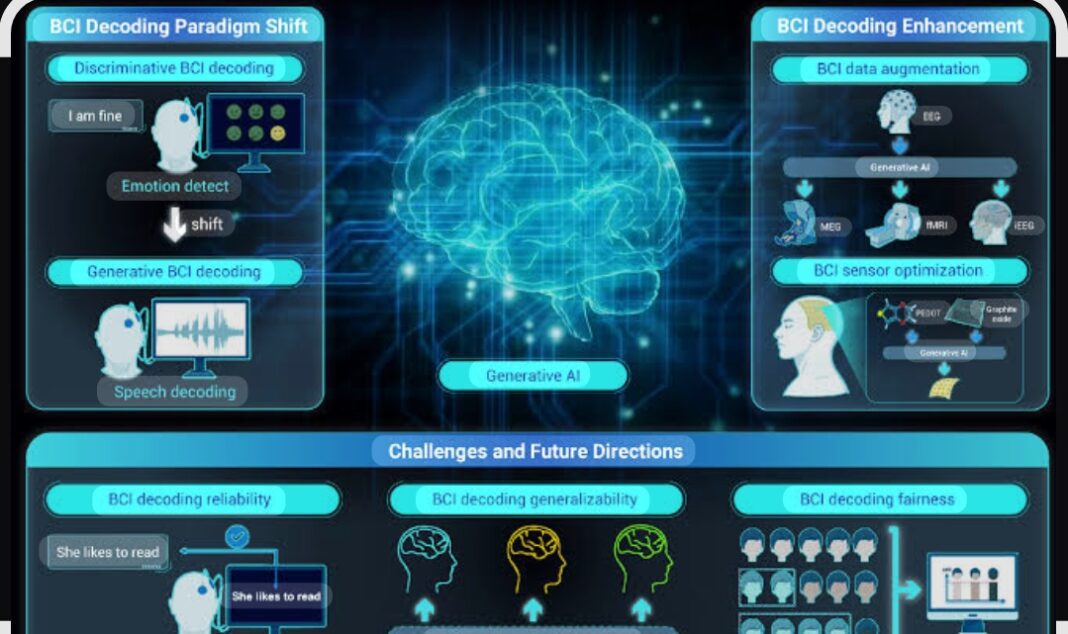
Machine learning models are trained to recognize patterns in neural activity and associate them with specific movements. Over time, the system becomes more accurate, adapting to the user’s unique brain signals.
3. Translating Signals into Movement
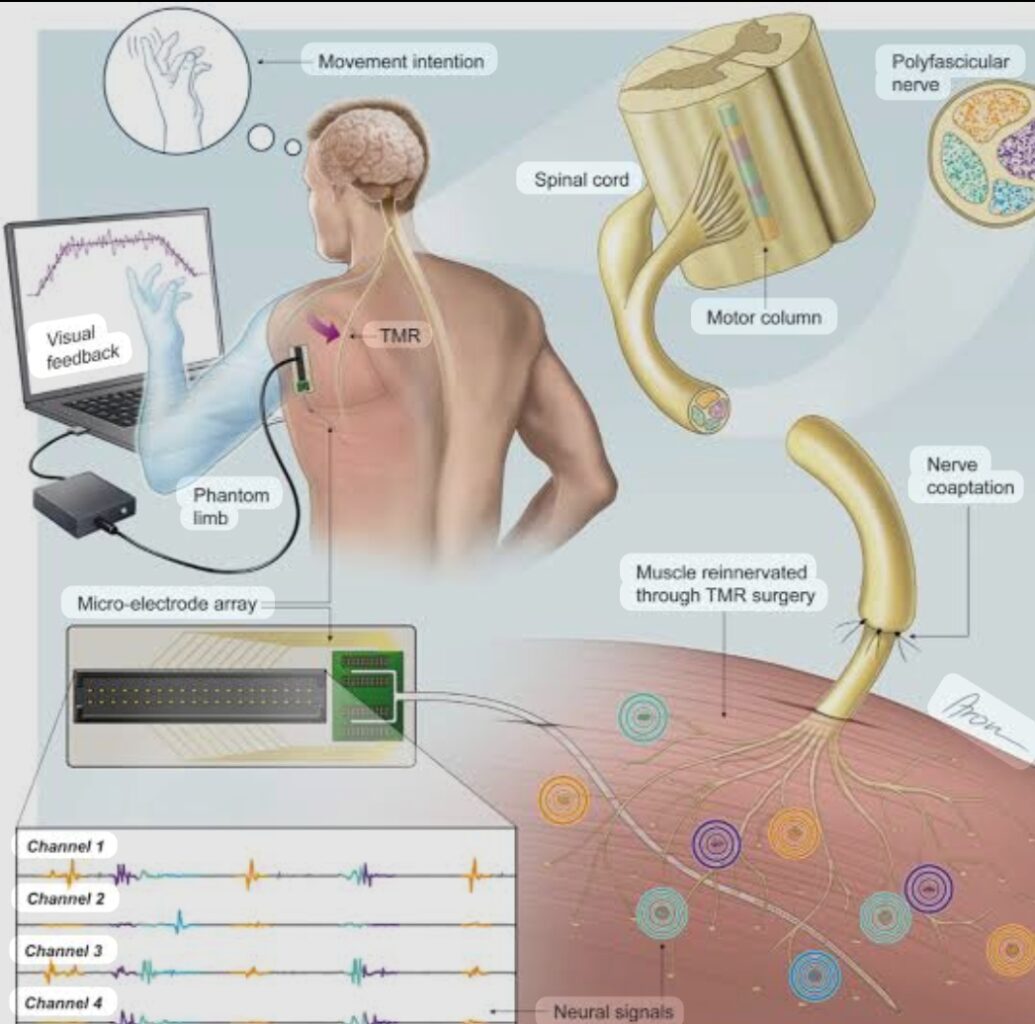
This process effectively bypasses the damaged spinal cord, allowing the brain to regain control over the body.
The Breakthrough Case: Restoring Movement
This is about a man from China who is a paralyzed patient, that received an AI-powered brain implant. After the procedure, the patient underwent a period of training to help the system learn his brain signals.
Initially, movement was limited and required significant concentration. However, as the AI adapted and the patient became more familiar with the system, his control improved dramatically.
Eventually, the patient was able to stand and walk with assistance, marking a historic moment in medical science. This achievement demonstrates that restoring mobility is no longer a distant dream—it is becoming a reality.
Why This Breakthrough Matters
This development is significant for several reasons:
1:A Shift from Compensation to Restoration
Traditional treatments focus on helping patients adapt to their limitations. AI brain chips, on the other hand, aim to restore lost functions, fundamentally changing the approach to rehabilitation.
Proof of Concept
This successful case provides real-world evidence that AI-driven neural interfaces can work in humans, not just in laboratory settings.
Hope for Millions
According to global health estimates, millions of people live with paralysis. This technology offers a potential pathway to recovery that was previously unimaginable.
Benefits of AI Brain Chip Technology
1. Restored Mobility
The most obvious benefit is the ability to regain movement. Even partial restoration can significantly improve a patient’s quality of life.
2. Increased Independence
Patients who regain mobility can perform daily tasks without relying heavily on caregivers, leading to greater autonomy.
3. Faster Rehabilitation
AI-assisted therapy may accelerate recovery by providing targeted and efficient training.
Challenges and Limitations
Despite its promise, this technology is not without challenges.
High Costs
Developing and implementing AI-powered brain chips is expensive. Widespread adoption will depend on reducing costs and improving accessibility.
Safety Concerns
Implanting a device in the brain carries risks, including infection and long-term complications. Extensive testing is required to ensure safety.
Limited Availability
Currently, this technology is only available in research settings and clinical trials. It may take years before it becomes widely accessible.
Future of AI in Healthcare
The success of AI-powered brain chips is just the beginning. This technology has the potential to revolutionize multiple areas of medicine.
1. Expanding Clinical Trials
Ongoing research will involve more patients, helping scientists refine the technology and improve outcomes.
2. Treating Neurological Disorders
AI brain chips could be used to treat conditions such as Parkinson’s disease, epilepsy, and stroke-related impairments.
3. Advanced Prosthetics
Future prosthetic limbs could be controlled directly by the brain, offering a more natural and intuitive experience.
4. Cognitive Enhancement
While still speculative, some researchers believe that brain-computer interfaces could eventually enhance cognitive abilities.
Human-Machine Integration: A New Era
This breakthrough is part of a broader trend toward integrating technology with the human body. As AI becomes more advanced, the line between biology and technology will continue to blur.
While this raises exciting possibilities, it also requires careful consideration. Society must balance innovation with ethical responsibility to ensure that these technologies are used for the benefit of all.
Conclusion
The development of an AI-powered brain chip that enables a paralyzed man to walk again is one of the most significant medical breakthroughs of our time. By combining artificial intelligence with neural engineering, researchers have created a solution that bypasses damaged spinal pathways and restores movement.
Although challenges remain, the potential impact of this technology is enormous. It offers hope to millions of people living with paralysis and paves the way for a future where disabilities can be overcome through innovation.
As research continues and technology evolves, AI brain chips may soon become a standard treatment, transforming not only healthcare but also our understanding of what it means to be human.