
This will bring improvements in AI features, battery life, privacy, and overall performance. The update will first roll out to Pixel devices, followed by brands like Samsung, Xiaomi, and OnePlus. Most phones released from 2023 onward—especially flagship and upper mid-range models—are likely to receive the update.
Page Contents:
However, budget and older devices (3–4+ years old) may not be eligible. The rollout will happen in phases, depending on the manufacturer and region.
Key takeaway: Newer smartphones = higher chance of getting Android 17
Key Information
- Android 17 focuses on performance, AI, battery, and security
- Pixel phones get updates first
- Major brands will follow months later
- Flagship devices are prioritized
Brands Expected to Support Android 17
- Google (Pixel devices)
- Samsung (Galaxy S, Z, A series)
- Xiaomi (Xiaomi, Redmi, POCO)
- OnePlus
- OPPO/Realme
- Vivo
- Motorola
What Is Android 17?
Android 17 this is the upcoming version of the Android operating system developed by Google. It is designed to enhance how smartphones perform, improve user experience, and introduce smarter, more efficient features powered by modern technology.
At its core, Android 17 focuses on making devices faster, safer, and more intelligent without drastically changing the familiar Android interface.
Definition and Purpose
This is a major software upgrade that controls how your smartphone operates, from app performance to battery usage and data security.
Its main purpose is to: Improve overall device speed and responsiveness, Strengthen privacy and user data protection, Extend battery life through smarter resource management, Introduce AI-driven features that simplify everyday tasks.
In simple language, Android 17 aims is to make your phone work smarter, last longer, and feel smoother in daily use.
Key Improvements
Android 17 is expected to introduce deeper AI integration across the system. This means your phone will better understand your usage habits, automate tasks, and provide smarter suggestions.
Battery Optimization
Android 17 will likely improve how apps run in the background,by reducing unnecessary power consumption and helping your device last longer on a single charge.
Performance Enhancements
The update is designed to make devices faster and more responsive. It allow apps to open faster
Privacy and Security
Privacy improvements are a major focus. Android 17 is expected to give users more control over app permissions, data sharing, and background activity—helping protect sensitive information from unauthorized access.
Android 17 Release Date
Android 17 follows a slightly different release cycle compared to previous versions, with Google streamlining the process to deliver updates faster and more efficiently. Here’s a clear breakdown of each stage in the rollout timeline:
Developer Preview
Traditionally, Android updates begin with a Developer Preview phase, which allows developers to test early features. However, Android 17 breaks this pattern.
- Google skipped the Developer Preview stage entirely
- Instead, it introduced Canary builds and early beta testing
- This shift allows faster development and earlier public access
This means Android 17 started testing in a more stable state compared to previous versions
Beta Rollout
The Android 17 beta program began earlier in 2026 and progressed through multiple versions: Beta 1: Released around February 2026, Beta 2: Late February 2026, Beta 3: March 2026,Beta 4: April 2026 (final scheduled beta)
The beta phase focuses on:
Testing new features, Fixing bugs and improving stability, Helping developers optimize apps
Official Launch Timeline
After the beta phase, Android 17 is expected to move into its stable release:
- Final release window: June–July 2026
- First rollout: Pixel devices (immediately after launch)
- Other brands: Gradual rollout from mid-2026 to late 2026
Manufacturers like Samsung, Xiaomi, and OnePlus will begin updates weeks or months after Google’s release
Google Pixel Devices Getting Android 17
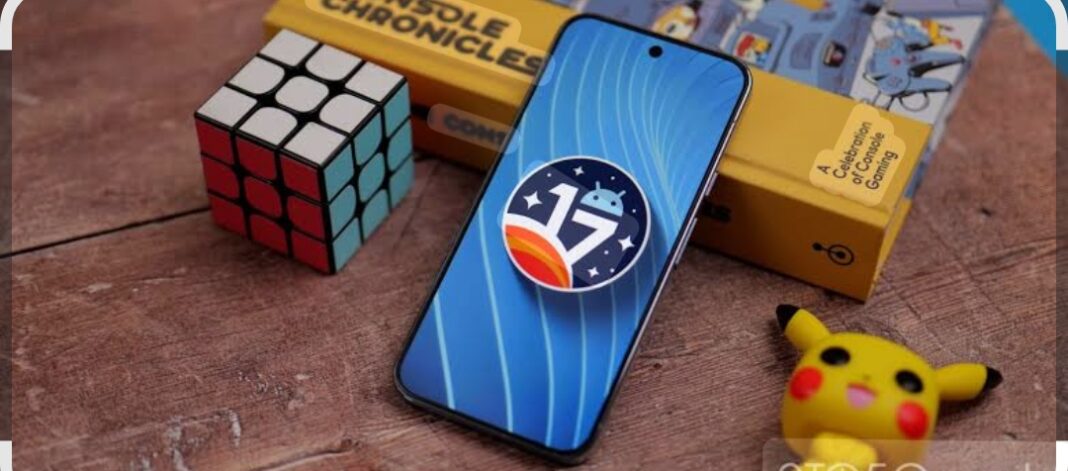
When it comes to Android updates, devices from Google are always first in line. That’s because Pixel phones run a clean version of Android directly maintained by Google, without heavy modifications from other manufacturers.
List of Supported Pixel Phones
Based on Google’s update policy and current support timelines, the following Pixel devices are expected to receive Android 17:
- Pixel 10, 10 Pro, 10 Pro XL, 10 Pro Fold
- Pixel 10a
- Pixel 9, 9 Pro, 9 Pro XL, 9 Pro Fold
- Pixel 9a
- Pixel 8, 8 Pro, 8a
- Pixel 7, 7 Pro, 7a
- Pixel 6, 6 Pro, 6a
- Pixel Fold
- Pixel Tablet
all Pixel devices from the Pixel 6 series and newer are eligible for Android 17.
Why Pixel Gets Updates First
Pixel devices receive Android updates before any other brand for several key reasons:
Direct Control by Google
Since Google develops both Android and Pixel hardware, it can release updates immediately without waiting for third-party adjustments.
Stock Android Experience
Pixel phones run pure (stock) Android, meaning there are no heavy custom skins like Samsung’s One UI or Xiaomi’s HyperOS. This makes updates faster and easier to deploy.
Faster Testing and Optimization
Google tests new Android versions primarily on Pixel devices during beta programs. By the time the update is released, Pixel phones are already optimized for it.
Guaranteed Software Support
Pixel devices come with a clear update policy—typically 3–7 years of Android updates and security patches, depending on the model. This guarantees long-term support.
If you want fast, reliable, and early access to Android updates, Pixel devices remain the best choice. They not only receive Android 17 first but also get the most stable and feature-complete version right from day one
Samsung Phones Expected to Get Android 17
Samsung is one of the strongest Android brands when it comes to long-term software support. With policies offering up to 4–7 years of updates on many devices, a wide range of Galaxy smartphones are expected to receive Android 17 (via One UI 9).
Below is a structured breakdown of the main Samsung lineups expected to get the update
Galaxy S Series
Samsung’s flagship Galaxy S lineup is always first in line for major Android updates.
Expected eligible models:
- Galaxy S23, S23+, S23 Ultra
- Galaxy S24, S24+, S24 Ultra, S24 FE
- Galaxy S25 series (including FE variants)
- Galaxy S26 series (launching with or upgrading to Android 17)
These devices are prioritized because of Samsung’s premium support policy and powerful hardware.
Galaxy Z Fold & Flip
Samsung’s foldable phones also receive top-tier update support.
Expected eligible models:
- Galaxy Z Fold 5, Fold 6, Fold 7
- Galaxy Z Flip 5, Flip 6, Flip 7
- FE versions of foldables (where available)
Foldables are treated like flagship devices, meaning they get updates early alongside the Galaxy S series.
Galaxy A Series
The Galaxy A series includes Samsung’s most popular mid-range phones, and many newer models are expected to get Android 17.
Expected eligible models:
- Galaxy A54, A55, A56
- Galaxy A34, A35, A36
- Galaxy A15, A16, A25, A26
- Newer A-series models released in 2025–2026
Galaxy FE Models
FE (“Fan Edition”) devices offer flagship-level features at a lower price—and they also receive strong update support.
Expected eligible models:
- Galaxy S23 FE
- Galaxy S24 FE
- Galaxy S25 FE and newer
These models benefit from the same long-term update commitment as flagship devices, often receiving multiple Android upgrades.
Samsung’s wide update coverage means:
- Flagships (S & Z series) get Android 17 first
- FE models follow closely behind
- Mid-range A-series devices receive updates later
If your Samsung phone was released in 2023 or later, there’s a strong chance it will receive Android 17.